
Mid-transaction realization hit me once while I was staring at gas estimates. Whoa! I had a trade queued that looked fine on the surface, but something felt off about the approval flow and simulated outcome. My instinct said “pause,” so I simulated the full interaction — and saved myself from a subtle reentrancy-like mess that would have cost time and fees. That instant showed me why transaction simulation and smarter dApp integration matter more than flashy UX alone.
Okay, so check this out— wallets used to be simple sign-and-send tools. Hmm… not anymore. dApps now orchestrate multi-step flows, cross-chain hops, and complex approvals; so the wallet has to do more than just hold keys. Initially I thought wallets would layer UX on top of basic RPC calls, but then I realized that true safety comes from predictive and preventative logic built into the signing path. On one hand you want seamless dApp integration that feels native, though actually you also need guardrails that stop you from signing bad transactions when the UI is trying to be helpful but is wrong.
Seriously? Yes. Some wallet vendors hide the simulation step behind a “debug” toggle. That bugs me. A user shouldn’t have to be a developer to know whether a swap will revert or whether a contract call is giving an approval that lasts forever. Rabby shifts that balance by putting simulation and visibility front and center, which matters when sandwiched trades and MEV-enabled reorderings are waiting in the mempool. The more layers of visibility you have before you press “Confirm,” the fewer surprise transactions you sign, though the tradeoff is sometimes more cognitive load for the user.
Here’s what I’m actually seeing in practice. Wow! When a wallet simulates, it can flag potential slippage issues, unexpected token approvals, and path-based failures before the chain sees anything. The simulation is not perfect, but it reduces noise. And yes, I’m biased toward anything that gives me another chance to stop a bad flow—call it risk-averse or just tired of redoing trades. The simulation becomes the first line of defense, and that matters for both novice users and power traders.
Where dApp Integration Meets User Safety
Integration isn’t just about making a button work. Whoa! It’s about the wallet understanding the intent behind a sequence of calls and surfacing the right details. Medium-level interfaces hide approvals behind abstractions, but the wallet must translate those abstractions into plain language and explicit consequences. The deeper the wallet hooks into the dApp flow, the more it can simulate and warn about MEV-sensitive steps, which is especially important for DeFi interactions that chain multiple protocols together. I’m not 100% sure on every implementation detail across wallets, but that capability gap is where Rabby tries to add value.
So what does that look like in reality? Hmm… imagine interacting with a yield optimizer that batches swaps, approvals, and deposits in one flow. Wow! With simulation enabled, the wallet can run the whole combo locally, tell you whether the route will fail, show you gas spikes, and estimate the chance of being sandwiched by bots looking at the mempool. Those insights are delivered as a small set of warnings and an optional “advanced view” for people who want the raw execution trace. The UX is better when you get actionable output, not just cryptic error codes.
On top of simulation, the wallet’s policy layer is crucial. Seriously? Absolutely. A policy layer can blacklist known malicious contracts, warn about approvals to anonymous addresses, and enforce constraints like maximum allowance or auto-expiring approvals. These policies are customizable and local to the wallet, which means they don’t broadcast your preferences to the dApp or the network—so privacy is preserved. This approach reduces the human error factor during dApp flows without forcing every user into the same risk tolerance bucket.
Now, MEV. Wow! MEV used to be an obscure academic topic, then it hit wallets and users in the form of front-running and sandwich attacks. My initial take was that MEV primarily affects bots, but then I watched a rookie trader lose 8% on a swap to a sandwich attack and I changed my mind. On one level MEV is a market inefficiency, though actually it’s also an extractive opportunity for miners and searchers that prey on predictable on-chain actions. The wallet can’t stop all MEV at the protocol layer, but it can change how users surface transactions into the mempool so they’re less exposed.
One practical mitigation is private relays or transaction bundling, and another is slippage-aware simulation. Whoa! The combination reduces the window that bots enjoy. Rabby and similar wallets increasingly integrate with private RPCs and suggest alternative broadcast paths when risk is detected. The hope is to reduce front-running probability and make user transactions less predictable to automated searchers. I’m not claiming magic here—MEV will always be part of the ecosystem—but you can lower risk with deliberate tooling and smarter defaults.
Oh, and by the way… gas strategy matters too. Wow! A user who simply boosts gas to “get mined fast” may paradoxically increase MEV exposure because high-fee transactions look profitable to searchers. The wallet can help by recommending gas levels that balance inclusion time with MEV risk, or by offering time-windowed execution via bundlers. Those are more advanced features, but for active DeFi users they can be the difference between a profitable trade and a loss.
Let’s talk about ergonomics for a sec. Whoa! Too many wallets assume everyone loves toggles and raw traces. Not true. Most users want clear, binary signals: safe, caution, dangerous. The advanced trace should be there for power users. But the primary UX should be comprehension—plain language reasons why a transaction might fail or be attacked, and a clear call to pause. Rabby seems to focus on that blend: approachable defaults plus depth when you ask for it. I’m biased because I prefer clarity over cleverness, and this part really matters when gas is high and emotions are higher.
One real-world pattern I rely on is pre-signature simulation for multi-step approvals. Wow! It saved me during a contract migration where a dApp expected me to grant an allowance to a proxy and then revoke the old one. The simulation flagged the missing revoke step and I caught it. That kind of catch is exactly the value of having the wallet do more than “mere signing.” The wallet becomes an active agent that protects you from both malicious actors and honest-but-brittle dApp code.
Where Rabby Wallet Fits
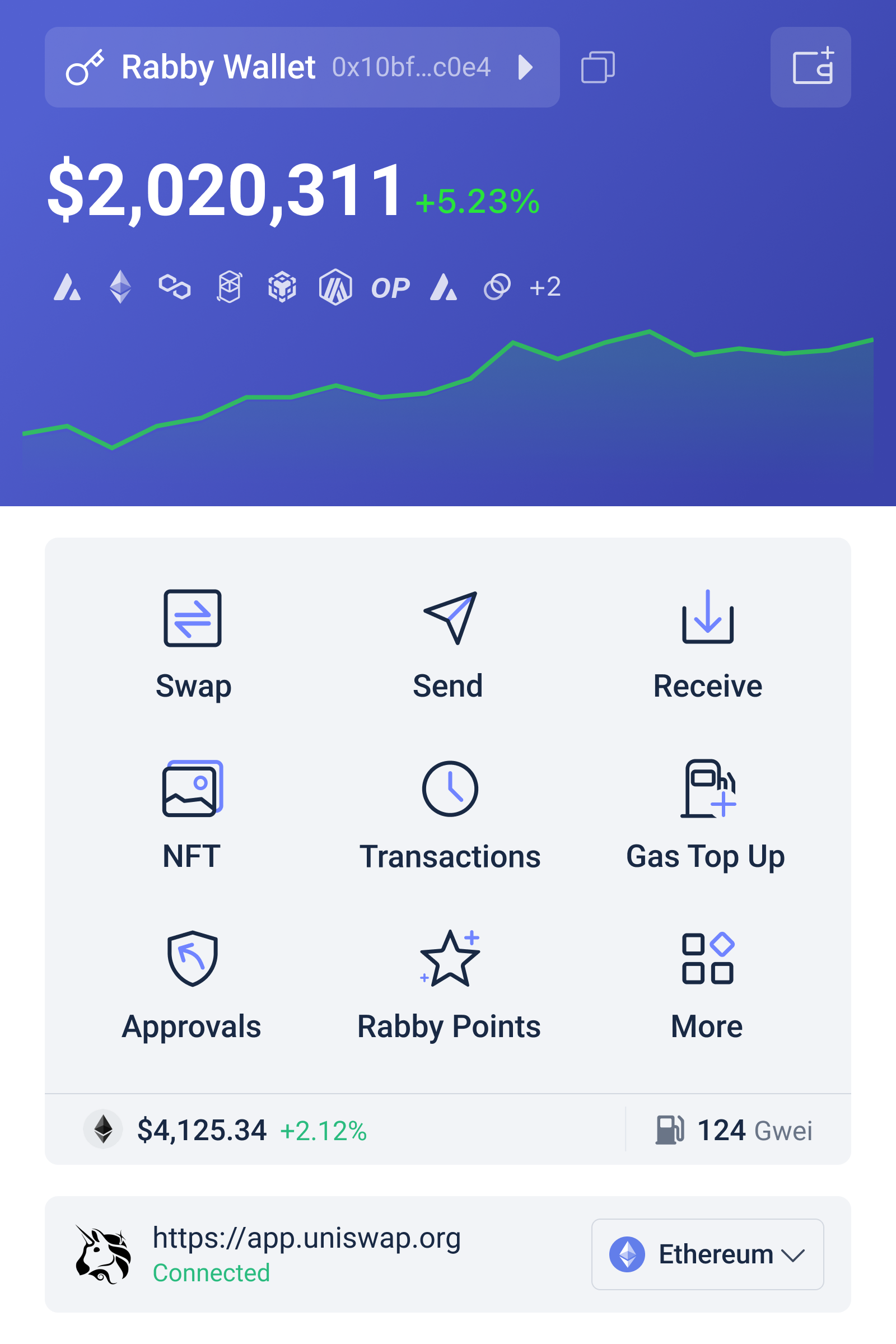
For users exploring better protections, rabby wallet offers a mix of simulation, clearer transaction breakdowns, and integration hooks that aim to reduce MEV exposure and bad UX-induced mistakes. Wow! It plugs into dApp flows in such a way that you can see intent and effect before you sign. The design decision to prioritize safety signals is a bit of a cultural stance; it’s saying users deserve more visibility and fewer surprises. I’m not an employee, but after using such features I find them indispensable for complex DeFi moves.
There’s a tradeoff though. Whoa! More warnings mean more interruptions, and some users find them annoying. On one hand you want frictionless trading, though actually too little friction leads to costly errors. The trick is to make warnings contextual and meaningful so users learn rather than get numb. In practice, wallets that let you tune thresholds—like slippage, allowance size, or simulation depth—balance safety and flow in a way that respects both novices and pros.
Longer-term, I expect wallets to become more proactive: offering bundled execution, better heuristics for MEV risk, and clearer audit trails for approvals. Wow! Some features will be on by default, while others will remain opt-in. The ecosystem will fragment a bit—some users will choose maximum speed, others maximum safety—and that’s okay. What matters is that users have real choices and that those choices are informed by good tooling in the wallet itself.
FAQ
How does transaction simulation reduce MEV risk?
Simulation lets the wallet see the expected outcome and mempool-relevant properties before broadcasting, which can flag routes that are likely to be exploited. Wow! It doesn’t eliminate MEV, but it reduces predictable behaviors that bots latch onto, and combined with private relays or bundlers it meaningfully lowers exposure.
Can a wallet stop all front-running?
No. Seriously? Correct. No single layer can fully stop front-running because MEV is a systemic property of block production and transaction ordering, though wallets can mitigate risk through private submission paths, smart gas strategies, and pre-signature analysis that discourage exploitable patterns.
Is simulation fully reliable?
Not 100%. Hmm… Simulations approximate chain state and can miss edge cases like mempool reorgs or oracle manipulation that happen between simulation and inclusion, but they still catch many common failures and dangerous approvals. Use them as another safety layer, not as the only one.